Animal Vs Plant Cell Venn Diagram: A Clear Visual Guide
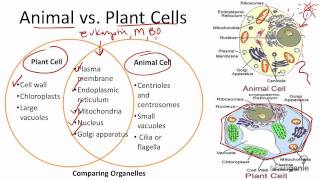
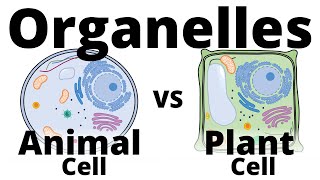
Understanding the similarities and differences between animal and plant cells is a fundamental part of biology education. A Venn diagram is an effective tool that visually displays shared and unique organelles, making complex information easier to remember. This article walks you through the essential organelles, explains how to create a useful Venn diagram, and offers tips for teaching and learning this topic.
Why Use a Venn Diagram?
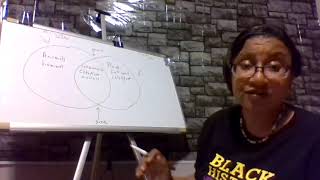
A Venn diagram places two overlapping circles—one for animal cells and one for plant cells. The intersection shows structures common to both, while the outer sections highlight unique features. This format allows students to:
- See at a glance which organelles are shared.
- Identify the distinctive characteristics that separate plant from animal cells.
- Organize information for quick recall during exams or projects.
Core Organelles Shared by Both Cell Types
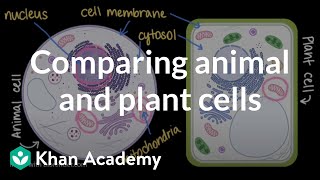
Both animal and plant cells share a set of fundamental organelles that perform essential cellular functions:
- Cell membrane – controls the passage of materials in and out of the cell.
- Nucleus – houses DNA and directs cellular activities.
- Ribosomes – synthesize proteins.
- Endoplasmic reticulum (smooth and rough) – involved in protein and lipid synthesis.
- Golgi apparatus – modifies, sorts, and packages proteins.
- Lysosomes – degrade waste and recycle cellular components.
- Vacuoles – store nutrients and waste (though plant cells typically have a large central vacuole).
- Peroxisomes – break down fatty acids and detoxify harmful substances.
- Microtubules – provide structural support and transport tracks.
- Microfilaments – help maintain cell shape and aid in movement.
Organelles Unique to Plant Cells
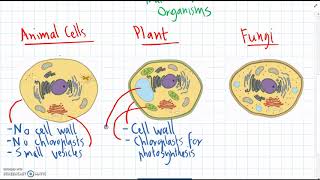
Plant cells contain several structures that are absent in animal cells, giving them distinct advantages such as photosynthesis and structural support:
- Chloroplasts – the site of photosynthesis, containing chlorophyll.
- Cell wall – a rigid outer layer made of cellulose, providing shape and protection.
- Large central vacuole – occupies most of the cell’s volume and stores water, ions, and nutrients.
- Plasmodesmata – channels that connect plant cells, allowing communication and transport.
- Starch granules – stored carbohydrate for energy reserves.