Bingo For Teachers: A Versatile Classroom Tool
Bingo is more than a nostalgic card‑game; it’s a dynamic teaching aid that can be adapted to any subject, age group, or learning style. By replacing numbers with vocabulary, facts, or phonics cues, teachers can create engaging, low‑stress activities that reinforce content while fostering a positive classroom atmosphere.
Why Bingo Works in the Classroom
When designed thoughtfully, bingo offers several educational advantages:
- Active Listening – Students must pay attention to clues or questions to mark the correct square.
- Immediate Feedback – The game format provides instant reinforcement or correction.
- Peer Interaction – Students collaborate to fill their cards, building relationships and communication skills.
- Flexibility – Bingo can be tailored to language arts, math, science, or social studies.
In addition, icebreaker bingo is an excellent way to introduce new classmates, encouraging them to learn each other’s names and interests quickly.
Types of Bingo for Teachers
1. Classic Fact Bingo
Replace numbers with facts about a topic. For example, a history class might use dates and events, while a science lesson could feature terms like “photosynthesis” or “gravity.”
2. Phonics Bingo
Ideal for early readers, this version uses phonetic sounds or word families. Students match the sound they hear with the corresponding word on their card.
3. ESL Vocabulary Bingo
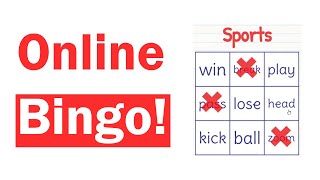
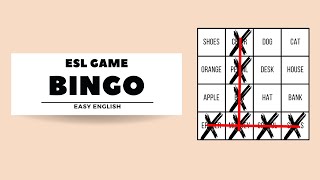
For English as a Second Language classrooms, bingo can reinforce new vocabulary. The teacher calls out a definition or shows an image, and students cover the matching word.
4. Sentence Structure Bingo
In advanced language classes, bingo cards can contain sentence fragments. Students complete the fragments using correct grammar, promoting sentence construction practice.
5. Icebreaker Bingo
Each square holds a personal statement such as “has a pet cat” or “can play a musical instrument.” Students mingle to find classmates who fit each description, encouraging conversation and bonding.
Setting Up a Bingo Game
- Choose Your Theme – Decide on the content area and level of difficulty.
- Create the Cards – Use a spreadsheet or an online bingo generator to populate a 5×5 grid. Ensure each card has a unique combination.
- Prepare the Call List – Write down or type the items that will be called. For ESL games, consider including audio clips to aid pronunciation.
- Explain the Rules – Clarify how a win is achieved (horizontal, vertical, diagonal, or full house) and whether a “bingo” shout is required.
- Play and Monitor – Keep the pace lively, but allow time for students to think before marking squares.
- Debrief – Discuss any misconceptions that arose and reinforce key points.