Can Iran Close The Strait Of Hormuz? A Strategic Overview
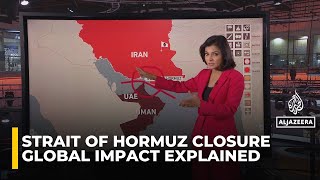
The Strait of Hormuz is a narrow waterway that links the Persian Gulf with the Gulf of Oman and the Arabian Sea. Roughly 21 nautical miles wide at its narrowest point, it serves as a chokepoint for global oil shipments. More than 20 percent of the world’s petroleum passes through the strait, making any disruption a matter of international concern. The persistent question is whether Iran possesses the capability and the will to close the strait, either temporarily or permanently.
Geographic and Economic Significance
Located between the Iranian coast and the United Arab Emirates, the strait is the only sea route for the export of oil and gas from Iran, Saudi Arabia, Kuwait, Iraq, and Qatar. A blockage would instantly affect:
- Global oil prices, which could spike within hours.
- Shipping insurance premiums and rerouting costs for tankers.
- Regional economies that rely on the free flow of maritime trade.
Because of its importance, the United Nations, the United States, and other naval powers maintain a constant presence in the area to ensure safe passage.
Iran’s Military Assets in the Gulf
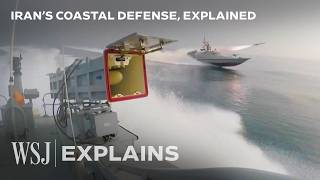
Iran has invested heavily in asymmetric naval warfare to counter larger conventional forces. Its capabilities include:
- Fast attack craft – dozens of small, high‑speed boats equipped with rockets and anti‑ship missiles.
- Submarine fleet – a mix of Kilo‑class diesel‑electric submarines and smaller coastal subs that can operate in shallow waters.
- Coastal missile batteries – land‑based anti‑ship cruise missiles such as the Khalij‑Fars and the newer Hoveyzeh systems, capable of striking vessels up to 300 km away.
- Mine‑laying capabilities – both naval vessels and aircraft can deploy naval mines to create hazardous zones.
These forces are designed to create a “swarm” effect, overwhelming larger warships with sheer numbers and rapid maneuvering. The United States military acknowledges the threat, noting that Iran’s “asymmetric tactics pose a significant challenge to conventional naval operations.”
Historical Precedents
Iran has demonstrated its willingness to threaten the strait on several occasions:
- In 2019, Iran announced it would temporarily close the strait in response to U.S. sanctions, though the closure never materialized.
- During the 1980s Iran‑Iraq War, Iran mined the waterway, prompting a multinational naval operation to clear the mines.
- In 2020, Iranian forces seized a Japanese tanker, citing alleged violations of maritime law, which heightened global fears of a broader disruption.
These incidents show that Iran can create temporary obstacles, but a full, sustained closure would require overwhelming force and coordination.
International Legal and Diplomatic Constraints
Under the United Nations Convention on the Law of the Sea (UNCLOS), the Strait of Hormuz is classified as an international strait, guaranteeing