Characterization STEAL Chart: A Practical Guide for Writers
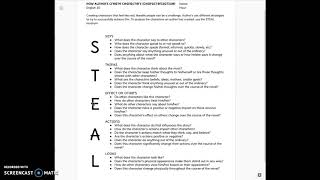
The Characterization STEAL Chart is a simple yet powerful tool that helps writers organize and deepen the traits of their characters. By breaking down a character into five distinct categories—Speech, Thoughts, Effects on others, Actions, and Looks—the STEAL chart provides a clear framework for both direct and indirect characterization. This article explains how to use the chart effectively, why it matters in storytelling, and offers practical tips for integrating it into your writing process.
What Is a STEAL Chart?
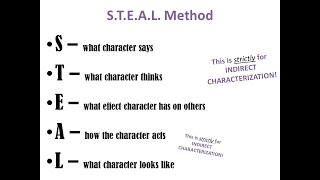
STEAL is an acronym that stands for:
- Speech: What the character says and how they say it.
- Thoughts: The inner voice, beliefs, and motivations that drive the character.
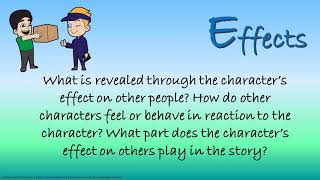
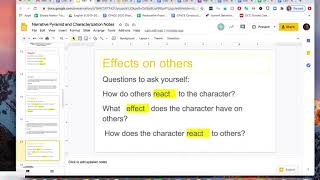
- Effects on others: How the character influences or is perceived by other characters.
- Actions: Behaviors, decisions, and habits that reveal personality.
- Looks: Physical appearance, clothing, and body language.
Each element offers a different lens for direct characterization (explicit description) and indirect characterization (showing through behavior). By filling out a STEAL chart, writers can ensure that a character’s traits are consistent, layered, and memorable.
Why Authors Use STEAL for Memorable Characters
In literature, readers connect with characters who feel real and multidimensional. The STEAL chart helps authors:
- Maintain consistency across scenes, preventing contradictory traits.
- Balance show and tell by mixing direct statements (looks, speech) with indirect cues (effects on others, actions).
- Identify gaps where a character may need more depth, prompting revisions.
- Facilitate collaboration when working with editors, illustrators, or animators who need a quick reference.
Step‑By‑Step: Building Your STEAL Chart
Follow these steps to create a robust STEAL chart for any character:
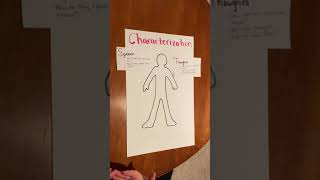
- Start with a blank table. Label the five columns with the STEAL headings.
- Brainstorm Speech. Jot down signature phrases, dialect, tone, and any recurring verbal quirks.
- Record Thoughts. Note the character’s core beliefs, fears, and goals. This is where you capture internal conflict.
- Map Effects on Others. Describe how other characters react—respect, fear, admiration, or indifference.
- List Actions. Include habits, hobbies, and decisive moments that reveal values.
- Detail Looks. Sketch physical traits, clothing style, and body language that reinforce personality.
Once the chart is populated, review each column for overlap or missing information. A well‑rounded character will have entries in every category.