Bringing Geometry to Life: The City Design Project
Hey students it's me Mr Fitz so I just want to take you through an exciting way that geometry comes alive in the real world. While many of us think of geometry as just formulas and shapes on paper, designers actually use these mathematical concepts every day to create the spaces where we live, work, and play. Today we're going to explore how your geometry skills can transform into creating entire cities from the comfort of your classroom.What Makes the City Design Project Special
The City Design Project isn't just another worksheet or online game (though we've seen plenty of those lately). This project combines multiple geometry concepts into one cohesive experience that mirrors what urban planners and architects actually do. You'll be working with complementary and supplementary angles as you design road intersections, using transformations to create symmetrical building layouts, and applying your knowledge of polygons to design everything from simple houses to complex commercial structures.One of the most exciting aspects is seeing how supplementary angles play a role in creating realistic cityscapes. When you're designing a busy intersection, those 180-degree angles become the foundation for roads that meet and turn in logical ways. It's not just about drawing lines - you're creating the mathematical blueprint for how traffic will flow through your virtual city.
Real World Math: From Classroom to City Planning
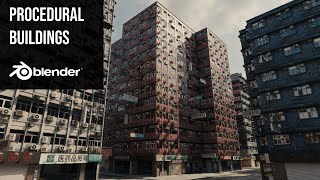
Example of real world math! Designers use translations, rotations, and reflections that create apartment and hotel floor plans. These same transformations become the backbone of entire city layouts when scaled up. A single apartment complex designed using reflection symmetry might become the template for a residential neighborhood. Rotations help create circular parks and roundabouts that are both functional and aesthetically pleasing.When you think about famous cities around the world, you'll notice these geometric principles at work. The grid system of Manhattan follows translation patterns, while the circular layout of many European city centers demonstrates rotational symmetry. Your Minecraft, Roblox, or Fortnite builds might seem like just games, but they're actually teaching you the same spatial reasoning skills that professional city designers use every day.
Getting Started with Your Geometry City
Welcome to SHAPEVILLE, the imaginary city where geometry comes alive. Your mission is to design a comprehensive city that demonstrates your understanding of geometric concepts while being both functional and visually appealing. You'll need to consider zoning areas, transportation routes, public spaces, and residential districts - all through the lens of geometry.Your city should include:
- Residential Zones - Design apartment complexes and housing developments using transformations and symmetry
- Commercial Districts - Create shopping centers and businesses with specific angle requirements
- Transportation Networks - Plan roads, bridges, and public transit using supplementary and complementary angles
- Public Spaces - Design parks, schools, and civic buildings with attention to geometric properties
Advanced Geometric Challenges
As you progress through your city design, you'll encounter more complex geometric puzzles. How do you ensure that all interior angles in your polygonal buildings add up correctly? What happens when you need to create parallel streets that never intersect? These aren't just academic exercises - they're real challenges that city planners face daily.Consider incorporating irregular polygons in your design. Not all buildings need to be perfect squares or rectangles. Trapezoidal structures can add visual interest, while hexagons are perfect for efficient packing in commercial districts. Each shape you choose should serve a purpose, whether that's maximizing space, creating structural integrity, or simply making your city look more interesting.
Using Technology in Your City Design
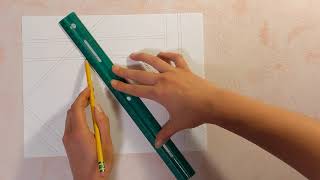
Modern city design heavily relies on computer-aided design (CAD) software, but you don't need expensive tools to get started. Graph paper, protractors, and rulers can help you create precise geometric layouts. Many students find that using digital tools like GeoGebra or even spreadsheet software helps them visualize their cities in a way that paper cannot match.For those who prefer hands-on building, consider how video games can actually teach valuable geometry skills.