Components of a Modern Military
A military organization is a complex system that combines people, technology, and processes to protect a nation’s interests. While the exact structure varies by country, most armed forces share several core components that enable them to plan, execute, and sustain operations. This article explores these essential elements, highlights how the United States and NATO standardize them, and briefly looks at the British Army’s approach.
1. Personnel: The Human Element
At the heart of any military is its people. Soldiers, officers, and civilian staff provide the skills and judgment required to carry out missions.
- Active Duty Forces – Full‑time soldiers, sailors, airmen, and marines who serve in the regular armed forces.
- Reserve Components – Part‑time personnel who can be called to active duty during emergencies or for specialized roles.
- Civilian Employees – Support staff in logistics, intelligence, legal, and medical fields.
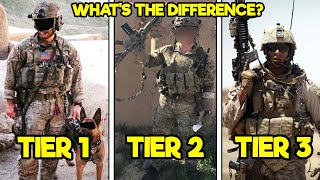
- Specialized Units – Such as special operations forces, cyber units, and space warfare teams.
Training & Development
Continuous training ensures readiness. Basic training, advanced individual courses, and joint exercises keep forces adaptable to evolving threats.
2. Equipment & Technology
Modern warfare relies on a wide array of platforms and systems.
- Land Vehicles – Infantry fighting vehicles, tanks, and armored personnel carriers.
- Naval Platforms – Aircraft carriers, destroyers, submarines, and amphibious assault ships.
- Air Assets – Fighter jets, transport aircraft, drones, and rotary‑wing platforms.
- Weapons & Ammunition – Small arms, artillery, missiles, and precision‑guided munitions.
- Communication & Cyber Tools – Secure radios, satellite links, and cyber‑defense systems.
Maintenance & Lifecycle Management
Regular upkeep, upgrades, and decommissioning keep equipment reliable and technologically relevant.
3. Logistics & Sustainment
Logistics is the backbone that keeps forces supplied and operational.
- Supply Chain Management – Procurement, storage, and distribution of materiel.
- Transportation – Air, land, and sea transport of troops and equipment.
- Engineering & Construction – Building and maintaining bases, roads, and bridges.
- Medical Support – Field hospitals, evacuation units, and preventive health services.
- Financial & Administrative Services – Pay, budgeting, and personnel administration.
4. Command, Control, and Communications (C3)
Effective decision‑making hinges on a clear chain of command and reliable communication.
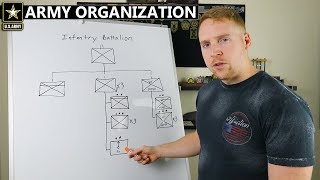
- Command Structure – Hierarchical levels from the national commander to unit leaders.
- Control Systems – Operational planning, tasking, and real‑time situational awareness tools.
- Communications Infrastructure – Radios, satellite networks, and secure data links that