Context Clues and Inference: Unlocking Meaning in Every Text
In a world where every sentence can hide deeper meaning, the skill of reading between the lines is essential. Context clues and inference allow readers to decode unfamiliar words, understand implied ideas, and grasp the author’s intent. This article explores what context clues are, the different types of clues, how inference works, and practical ways teachers and students can strengthen these critical reading skills.
What Are Context Clues?
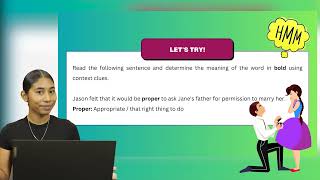
Context clues are hints that a writer provides within a passage to help a reader understand a word or phrase that might be unfamiliar. They act like a map that points to the meaning of a term without giving an explicit definition. By paying attention to surrounding words, sentence structure, and overall tone, readers can deduce the meaning of new vocabulary and fill in gaps in their knowledge.
Types of Context Clues
- Definition or Restatement: The word is explained directly in the sentence or paragraph. Example: The melancholy mood of the room was evident; it was a feeling of deep sadness.
- Synonym or Antonym: A word with a similar or opposite meaning is provided. Example: She was elated (thrilled) after winning the award.
- Example or Illustration: A specific instance is given to clarify the term. Example: The forest was filled with arboreal creatures—animals that live in trees.
- Contrast or Comparison: The word is set against something familiar to highlight its meaning. Example: Unlike the bright summer days, the winter evenings were gloomy, filled with cold and darkness.
- Inference from Surrounding Information: The reader must combine clues from multiple sentences to arrive at the definition. Example: The boy’s eyes were wide, and his cheeks flushed. He must have been exhilarated.
The Role of Inference in Reading Comprehension
Inference is the mental leap a reader makes to connect the dots. While context clues provide the raw material, inference stitches those pieces together to form a coherent picture. In