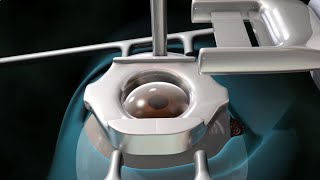
How To Improve Eyesight With Laser
Laser eye surgery has become a popular solution for correcting common refractive errors such as myopia, hyperopia, and astigmatism. While the most well‑known procedure is LASIK, emerging technologies like Electromechanical Reshaping (EMR) are beginning to shape the future of vision correction. This article explores what you can realistically expect from laser procedures, how to prepare and recover, and practical tips for maintaining eye health after surgery.
Understanding Laser Refractive Surgery
Laser refractive surgery works by reshaping the cornea—the clear front surface of the eye—to improve the way light is focused onto the retina. The two main categories are:
- Photorefractive Keratectomy (PRK) – The outer layer of the cornea is removed, and a laser smooths the underlying tissue.
- LASIK (Laser-Assisted In Situ Keratomileusis) – A thin flap is lifted, the laser reshapes the cornea, then the flap is repositioned.
Both techniques use excimer lasers that deliver precise, microscopic amounts of energy, making the procedures highly accurate.
Lasik Expectations: Recovery, Aftercare, and Life After Surgery
Before you decide on LASIK, it’s useful to understand the typical timeline and care instructions.
- Recovery Time – Most patients notice improved vision within 24–48 hours. Full visual stability usually occurs within 2–4 weeks.
- Aftercare Instructions – Keep the eyes clean, use prescribed eye drops, avoid rubbing, and wear protective eyewear while sleeping for the first week.
- Life After LASIK – Daily activities resume quickly, but it’s wise to avoid strenuous exercise and swimming for a few weeks. Some patients experience dry eyes; lubricating drops can help.
Watch a detailed video that reviews Lasik Recovery time, Lasik Aftercare instructions, and Life after lasik for a visual guide to the process.
Electromechanical Reshaping: A New Frontier?
Electromechanical Reshaping (EMR) is a novel procedure that uses a low‑frequency electric field to reshape the cornea without cutting or ablating tissue. Early studies suggest it could offer:
- Reduced risk of dry eye and flap complications.
- Potentially quicker visual stabilization for certain refractive errors.
Will EMR eventually replace LASIK as the top refractive surgery? The answer remains uncertain. While it shows promise, larger clinical trials and long‑term data are needed before it can be considered a standard alternative.
Top LASIK Alternatives You Should Know
Curious about other options? Here are the most common alternatives:
- PRK – Ideal for patients with thin corneas or a higher risk of flap complications.
- SMILE (Small Incision Lenticule Extraction