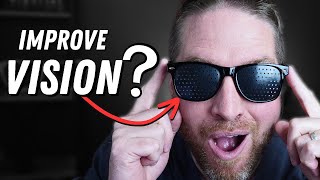
How To Improve Your Eyesight Without Glasses: Practical Strategies You Can Start Today
Many people wonder whether it’s possible to sharpen their vision without relying on prescription lenses. While genetics and certain medical conditions set limits, a combination of lifestyle adjustments, eye‑care habits, and targeted exercises can help maintain or modestly improve visual acuity. Below are evidence‑based steps you can incorporate into your daily routine.
1. Understand What Influences Vision
Vision is affected by three main factors:
- Optical health – the shape of the cornea and lens, and the clarity of the eye’s internal structures.
- Muscular balance – the extra‑ocular muscles that move the eyes and the ciliary muscle that controls focus.
- Nutrition and hydration – nutrients that support retinal cells and overall eye tissue health.
Improving eyesight without glasses typically targets the second and third factors, because the optical shape of the eye cannot be changed without surgery.
2. Adopt Vision‑Friendly Lifestyle Habits
Simple daily choices can reduce eye strain and support long‑term visual comfort.
- Limit prolonged near work. Follow the 20‑20‑20 rule: every 20 minutes, look at something at least 20 feet away for 20 seconds. This relaxes the ciliary muscle and helps prevent temporary focusing fatigue.
- Control lighting. Use ambient lighting that matches the task. Avoid glare on screens by using matte filters or adjusting screen brightness to a comfortable level.
- Take regular breaks. Stand, stretch, and blink deliberately every hour to keep the tear film stable and reduce dryness.
- Maintain proper posture. Keep screens at eye level and about an arm’s length away to encourage a natural gaze angle.
3. Eye Exercises That May Help Reduce Strain
Certified Bates Method teacher Nathan Oxenfeld demonstrates several exercises designed to improve ocular flexibility. While the Bates Method is not a substitute for professional care, these gentle movements can complement a balanced eye‑care routine.
- Palm Relaxation (1:48 – Take a deep breath and cover your eyes with your palms for a minute). This exercise blocks out light, encourages deep breathing, and promotes relaxation of the eye muscles.
- Saccadic Shifts. Quickly glance left, then right, up, and down in a rhythmic pattern for 30 seconds. This trains the brain‑eye coordination and can reduce fixation fatigue.
- Focus Flex. Hold a fingertip about 12 inches from your nose, focus on it, then shift focus to a distant object. Repeat 10 times to exercise the ciliary muscle’s ability to change focus.
Perform these exercises once or twice daily, especially after long