How To Make Brown Lighter Without Using White Paint
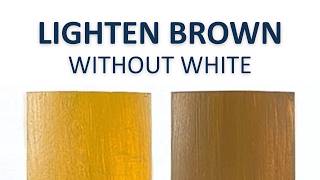
Artists and hobbyists often need a softer, lighter brown but want to avoid the chalky effect that pure white can create. By understanding color theory and using alternative pigments, you can lighten brown while keeping its richness and depth. This guide explains practical methods, the science behind them, and step‑by‑step techniques you can apply with acrylics, oils, or watercolors.
Why Avoid White When Lightening Brown?
White pigment is a strong “tint” that can dilute the hue, making the resulting color appear muted or pastel. When you add white to brown, the mixture often loses its warm undertones and can look washed out. Using other colors to lift the value preserves the original character of the brown and creates a more natural, harmonious shade.
Key Color Theory Concepts
- Value: The lightness or darkness of a color. Raising the value makes a color lighter.
- Temperature: Warm browns contain more red or yellow; cool browns have more blue or green.
- Complementary Tints: Adding a small amount of a color’s complement can increase brightness without flattening the hue.
Materials You’ll Need
- Primary pigments: yellow (cadmium, lemon, or ochre), orange, red, or a warm pink.
- Neutral pigments: raw sienna, burnt umber, or a light gray.
- Transparent glazing medium (optional for oil and acrylic).
- Palette knife or mixing brush.
- Clean palette and testing surface.
Method 1: Lighten With Warm Tints
Adding a warm tint such as yellow, orange, or a light red can raise the value of brown while reinforcing its warmth.
- Start with your base brown on the palette.
- Add a tiny amount of yellow ochre and mix thoroughly.
- Observe the change; if the brown is still too dark, add a touch more yellow or switch to a small amount of cadmium orange.
- Continue adding in very small increments—one drop or a pinch at a time—until the desired lightness is reached.
Because yellow and orange are part of the brown’s natural warm family, they lift