Intraverbal Fill‑Ins: A Practical Tool for Building Communication Skills
Intraverbal skills—responses that are triggered by others’ verbal cues—are foundational for meaningful conversation. One engaging method to strengthen these skills is the “intraverbal fill‑in” activity, where learners complete missing words or phrases in a sentence or story. This article explores the concept, demonstrates its application with popular books like The Very Hungry Caterpillar, and highlights how educators and therapists can incorporate it into instruction.
What Are Intraverbal Fill‑Ins?
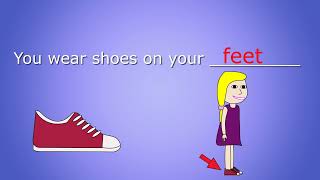
Intraverbal fill‑ins are short, structured prompts that ask a learner to supply a missing element of a verbal exchange. Unlike simple recall tasks, they require the learner to understand context, infer meaning, and produce an appropriate response. Typical formats include:
- Sentence completion: “The caterpillar ate a ___.”
- Story sequencing: “After the rain, the caterpillar became ___.”
- Question‑answer pairs: “What does the caterpillar eat? ___.”
By filling in the blanks, learners practice linking vocabulary with situational cues, which is a core component of conversational competence.
Using Intraverbal Fill‑Ins in Teaching
When introduced thoughtfully, intraverbal fill‑ins can accelerate language development across ages and abilities. The following steps outline a typical implementation:
- Choose a familiar text or theme. Familiarity reduces cognitive load, allowing focus on the fill‑in task.
- Create a prompt sheet. Highlight the missing word or phrase and provide a visual cue if necessary.
- Model the response. Demonstrate how to consider context before answering.
- Practice with feedback. Offer corrective feedback or reinforcement after each attempt.
- Gradually increase difficulty. Move from single words to short phrases or multi‑step reasoning.
Because intraverbal fill‑ins rely on context, they naturally integrate vocabulary, grammar, and comprehension, making them a versatile tool for classrooms and therapy settings.
Demo: The Very Hungry Caterpillar
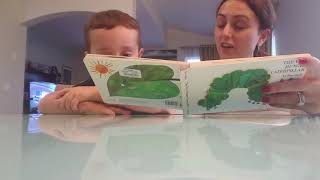
Eric Carle’s The Very Hungry Caterpillar is a popular choice for intraverbal fill‑in activities. Its repetitive structure and vivid illustrations provide clear prompts for learners. A typical demo might look like this:
- Prompt: “On Monday, the caterpillar ate one ___ of fruit.”
- Expected answer: