The Iran Nuclear Deal and the U.S. Withdrawal Under President Trump
The Iran Nuclear Deal, formally known as the Joint Comprehensive Plan of Action (JCPOA), was a landmark agreement negotiated in 2015 between Iran and six world powers, including the United States. The deal aimed to limit Iran’s nuclear program in exchange for relief from economic sanctions. However, in 2018, the U.S. under President Donald Trump withdrew from the agreement, sparking significant political and diplomatic debate. This article explores the context, reasons, and consequences of the withdrawal.
The Origins of the Iran Nuclear Deal
After years of international concern over Iran’s nuclear ambitions, the JCPOA was finalized in July 2015. The agreement required Iran to significantly reduce its uranium enrichment capabilities, limit its stockpile of enriched uranium, and allow rigorous inspections by the International Atomic Energy Agency (IAEA). In return, Iran would see sanctions lifted, enabling access to global markets and financial systems.
Supporters of the deal, including President Barack Obama, argued it was the best path to prevent Iran from developing nuclear weapons. Critics, however, contended that the agreement did not address Iran’s regional activities or its long-term nuclear potential. These concerns would later influence the Trump administration’s decision to abandon the deal.
Why Did President Trump Withdraw?
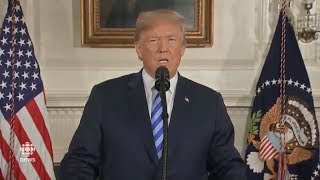
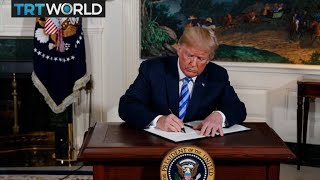
On May 8, 2018, President Donald Trump announced the U.S. withdrawal from the JCPOA, calling it “one of the worst and most one-sided deals in history.” His administration cited several reasons for the decision:
- Flaws in the Agreement: