Overview of the Iran Nuclear Deal
The Joint Comprehensive Plan of Action (JCPOA), commonly known as the Iran nuclear deal, was finalized on July 14, 2015, after years of negotiations between Iran and the P5+1 group — the United States, the United Kingdom, France, Russia, China, and Germany. The agreement aimed to prevent Iran from developing nuclear weapons by imposing strict limits on its uranium enrichment capacity, stockpiles of enriched uranium, and the number of centrifuges it could operate. In return, the United Nations, European Union, and United States agreed to lift nuclear‑related sanctions that had crippled Iran’s economy. The International Atomic Energy Agency (IAEA) was tasked with verifying compliance through regular inspections.
Trump Administration's Decision to Withdraw
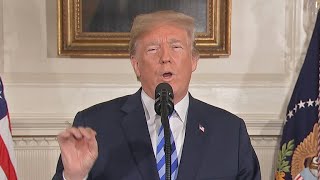
On May 8, 2018, President Donald Trump announced that the United States would withdraw from the JCPOA, describing the deal as “defective at its core.” The decision fulfilled a campaign promise to dismantle what his administration characterized as a flawed agreement that failed to address Iran’s ballistic missile program, its regional influence, and the sunset clauses that would allow restrictions to expire after a set period. The withdrawal marked a significant shift in U.S. foreign policy toward Iran and triggered a cascade of diplomatic and economic consequences.