Is Bosnia and Herzegovina part of the European Economic Area?
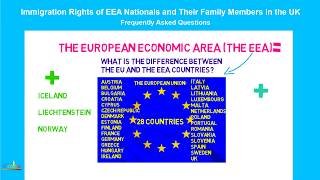
The short answer is no. Bosnia and Herzegovina is not a member of the European Economic Area (EEA). The EEA consists of the 27 European Union member states plus three of the four European Free Trade Association (EFTA) countries – Iceland, Liechtenstein and Norway. Bosnia and Herzegovina has not yet fulfilled the conditions required for EU membership, and consequently it is not included in the EEA agreement.
What is the European Economic Area?
The EEA was created in 1994 to extend the EU’s internal market to EFTA states that chose not to join the Union. Under the agreement, participating countries accept the four freedoms of movement – goods, services, capital and people – and adopt most EU legislation related to the single market. In return, they gain access to the EU market without facing customs duties or quantitative restrictions. The EEA does not cover areas such as the EU’s common agricultural and fisheries policies, customs union, foreign policy, justice and home affairs, or taxation.
Membership in the EEA therefore provides deep economic integration while preserving a degree of political independence. The three current EEA EFTA states contribute financially to EU programmes and participate in various EU agencies, but they have no voting rights in the EU Council or European Parliament.
Current status of Bosnia and Herzegovina
Bosnia and Herzegovina is a potential candidate for EU membership. The country signed a Stabilisation and Association Agreement (SAA) with the EU in 2008, which entered into force in 2015. The SAA establishes a framework for political dialogue, cooperation and gradual economic integration, but it does not confer the same rights and obligations as full EU or EEA membership.
As of 2024, Bosnia and Herzegovina has not yet been granted official candidate