What Is LDCT and Why It Matters for Cancer Screening
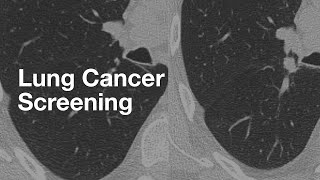
Low‑dose computed tomography (LDCT) is a specialized imaging technique that produces detailed pictures of the lungs while using significantly less radiation than a standard CT scan. Because LDCT can reveal tiny nodules that may be early signs of lung cancer, it has become the preferred method for lung‑cancer screening in high‑risk individuals.
How LDCT Works
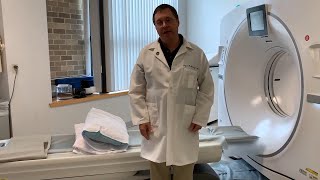
During an LDCT exam, the patient lies on a motorized table that moves through a circular scanner. The machine emits a low‑intensity X‑ray beam and captures multiple cross‑sectional images of the chest. A computer then reconstructs these images into a three‑dimensional view of the lung tissue.
The reduced radiation dose—typically 1/10 to 1/15 of a conventional CT—makes LDCT safe for repeated annual screening while still providing enough detail to detect nodules as small as 2 mm.
Who Should Consider LDCT Screening
Guidelines from major health organizations recommend LDCT for people who meet one or more of the following criteria:
- Age 55 to 80 years
- Current smokers or former smokers who have quit within the past 15 years
- A smoking history of at least 30 pack‑years (one pack per day for 30 years)
If you fall into this group, discuss LDCT with your primary care physician or a radiologist such as Dr. Tim Hurst, a specialist at Spencer Hospital who emphasizes the importance of early detection.
Benefits of LDCT Screening
When performed annually, LDCT can:
- Detect lung cancer at an early stage when surgical removal is most effective.
- Reduce lung‑cancer mortality by up to 20 % in high‑risk populations, according to large clinical trials.
- Identify other lung conditions, such as emphysema or early infections, that may require follow‑up.
Potential Risks and Limitations
Although LDCT is low‑dose, any exposure to radiation carries a minimal risk. Additional considerations include:
- False‑positive findings that lead to unnecessary follow‑up scans or invasive procedures.
- Incidental discoveries that may cause anxiety but are unrelated to cancer.
- Limited availability in some regions, which can affect timely access to screening.
Balancing these factors with the proven benefit of early cancer detection is essential for informed decision‑making.
Preparing for Your LDCT Scan
Preparation is straightforward: