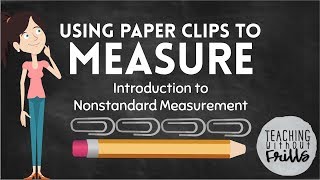
Understanding Measurement with Non‑Standard Units
This primary math lesson is all about helping young learners grasp the concept of measurement before they move on to standard units like centimetres or metres. By using everyday objects, children can explore length, height, and weight in a tangible way that builds a strong foundation for future mathematical thinking.
What Are Non‑Standard Units?
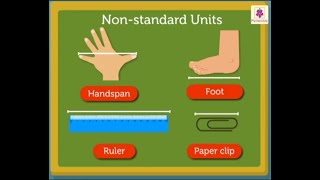
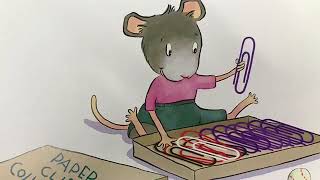
Non‑standard units are objects or items that are not officially recognised as measurement tools. They include things like pencils, blocks, hand spans, or even footsteps. When we say “the table is three pencils long,” we are using a non‑standard unit to describe length. This approach makes the idea of measurement concrete and relatable for Reception and Key Stage 1 students.
Why Use Non‑Standard Units in the Classroom?
- Builds conceptual understanding. Children can see that measurement involves comparing an object to a repeated unit.
- Encourages estimation skills. Using familiar items helps pupils guess lengths before measuring.
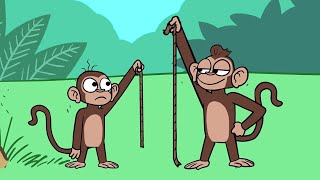
- Promotes discussion. Different groups may get varying results, sparking conversations about consistency and fairness.
- Supports cross‑curricular links. Activities can incorporate art, science, and even storytelling.