NWS Excessive Heat Warning: What It Means and How to Stay Safe
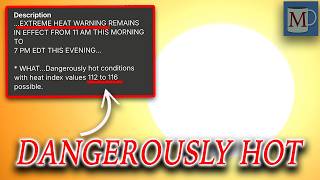
When the National Weather Service (NWS) issues an Excessive Heat Warning, it signals that dangerous heat levels are imminent or already occurring. Unlike a routine heat advisory, an excessive heat warning indicates that the combination of high temperature, humidity, and radiant heat poses a serious risk to health, especially for vulnerable populations. Understanding the warning, recognizing the signs of heat‑related illness, and taking proactive steps can protect you and your community.
How an Excessive Heat Warning Differs From a Heat Advisory
Heat advisories are more common than extreme alerts, and they typically cover milder temperature ranges that may cause discomfort but are unlikely to cause severe health problems for most people. An Extreme heat warning, on the other hand, is reserved for situations where the heat index—temperature combined with humidity—reaches levels that can quickly lead to heat exhaustion, heat stroke, or even death.
Key distinctions include:
- Temperature thresholds: An excessive heat warning is usually issued when the heat index is expected to exceed 105°F (40.5°C) for several consecutive hours.
- Duration: Warnings often cover longer periods, sometimes extending over multiple days, whereas advisories may be limited to a few hours.
- Public health impact: The warning triggers heightened public health alerts, school closures, and possible changes to work schedules.
What Triggers the Warning?
The NWS monitors a range of atmospheric conditions that contribute to extreme heat:
- High daytime temperatures, often above 95°F (35°C).
- Elevated humidity levels that raise the heat index.
- Clear skies that increase solar radiation.
- Stagnant air masses that limit cooling breezes.
When these factors align, forecasters issue the warning and disseminate it through local media, weather apps, and emergency alert systems.
Health Risks Associated With Excessive Heat
Prolonged exposure to extreme heat can strain the cardiovascular system, dehydrate the body, and impair the ability to regulate temperature. The most common heat‑related illnesses include:
- Heat cramps: Painful muscle spasms caused by loss of fluids and electrolytes.
- Heat exhaustion: Symptoms such as heavy sweating, weakness, dizziness, nausea, and a rapid pulse.
- Heat stroke: A medical emergency marked by a body temperature above 104°F (40°C), confusion, loss of consciousness, and a lack of sweating.
Older adults, young children, people with chronic illnesses, and those who work outdoors