Understanding the Plot Diagram With Definitions
The plot diagram is a visual tool that helps writers and readers break down the structure of a story. By mapping out each stage, you can see how characters develop, conflicts rise, and resolutions unfold. This article explains each component of the plot diagram, provides clear definitions, and offers practical tips for using the diagram in classroom or writing workshops.
Why Use a Plot Diagram?
Students often feel confused about the different stages of the narrative arc. A plot diagram turns abstract concepts into concrete points on a graph, making it easier to identify where the story’s tension begins, peaks, and resolves. Teachers also use the diagram to create worksheets—such as the one available here—that guide learners through each element step by step.
Key Elements of the Plot Diagram
Below is a concise list of the five classic parts of a plot diagram, each paired with a brief definition.
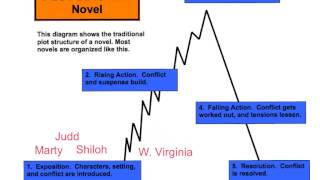
- Exposition: The opening segment that introduces the setting, main characters, and basic situation. It establishes the world in which the story will unfold.
- Rising Action: A series of events that build tension and develop the central conflict. Obstacles become increasingly challenging, pushing the protagonist toward a turning point.
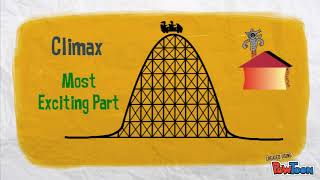
- Climax: The story’s highest point of drama, where the main conflict reaches its most intense moment. Decisions made here determine the direction of the resolution.
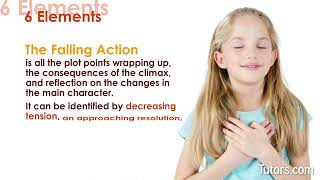
- Falling Action: The events that follow the climax, showing the consequences of the protagonist’s choices and beginning to tie up loose ends.
- Resolution (Denouement): The final portion where the conflict is resolved, and the story’s loose threads are neatly concluded, leaving the reader with a sense of closure.
How to Create a Plot Diagram
Follow these steps to build a clear, functional diagram:
- Draw a horizontal line to represent the story’s timeline.
- Mark the five key points—exposition, rising action, climax, falling action, and resolution—along the line.
- Use a vertical line or arrow at the climax to highlight the peak of tension.
- Label each point with the definitions above, and add brief notes about specific events from the story you are analyzing.
- Review the diagram to ensure the narrative flow makes logical sense from start to finish.
Practical Classroom Applications
Teachers can integrate the plot diagram into various activities:
- Worksheet Completion: Provide students with a partially filled diagram and ask them to insert missing events, reinforcing their understanding of each stage.
- Group Discussion: Have learners compare diagrams of different stories, noting how the same structural elements appear across genres.
- Creative Writing Prompt: Ask students to draft a short story outline using the diagram as a scaffold, encouraging them to think ahead about conflict and resolution.