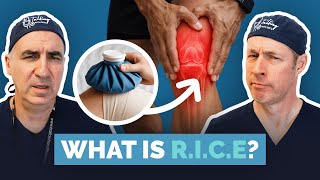
Rice For An Injury: What the RICE Method Really Means
When a sudden ankle sprain or a knee twist lands you on the sidelines, the first thing many health professionals recommend is the RICE protocol. The acronym stands for Rest, Ice, Compression, and Elevation—four simple steps that help control swelling, reduce pain, and support the body’s natural healing process. Below, we break down each component, explain how to apply it correctly, and answer common questions such as “Should you still use RICE after a few days?” and “Does eating rice help an injury?”
1. Rest – Protect the Injured Area
Rest does not mean complete immobility; it means avoiding activities that stress the injured tissue. For an ankle sprain, this might involve using crutches or a supportive brace for the first 24‑48 hours. The goal is to prevent further damage while allowing the body to begin repairing torn ligaments or strained muscles.
- Short‑term rest: Limit weight‑bearing and avoid twisting motions.
- Long‑term rest: Gradually reintroduce gentle range‑of‑motion exercises as pain subsides.
2. Ice – Control Swelling and Pain
Applying cold therapy helps constrict blood vessels, which reduces the fluid that accumulates around the injury. Follow these safety guidelines:
- Wrap a bag of frozen peas or an ice pack in a thin towel.
- Apply to the injured area for 15–20 minutes at a time.
- Repeat every 2–3 hours during the first 48 hours.
Do not place ice directly on the skin, and avoid prolonged exposure, which can cause frostbite.
3. Compression – Support Soft Tissue
Compression limits the space where swelling can develop. An elastic bandage or a specialized compression sleeve works well for most ankle and knee injuries.
- Start wrapping from the farthest point from the heart and work toward it.
- Maintain a snug, but not restrictive, fit—you should be able to slide a finger under the bandage.
- Remove the wrap at night or if you notice numbness, tingling, or increased pain.
4. Elevation – Use Gravity to Reduce Fluid Build‑Up
Raise the injured limb above heart level whenever possible. This encourages excess fluid to drain back toward the circulatory system.
- Use pillows or a recliner to keep the ankle or