Rice Regimen For Injuries: A Practical Guide to RICE
After a slip, a fall, or a sports mishap, the most common first‑aid protocol people turn to is the RICE method—Rest, Ice, Compression, and Elevation. Despite its simplicity, RICE remains a cornerstone of early injury management for sprains, strains, bruises, and other acute musculoskeletal problems. This article explains what RICE is, how to apply it correctly, and when you might still need additional care.
What Is the RICE Regimen?
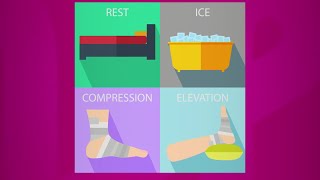
The RICE acronym stands for:
- Rest – Stop using the injured area to prevent further damage.
- Ice – Apply cold therapy to reduce swelling and numb pain.
- Compression – Use a bandage or sleeve to limit fluid accumulation.
- Elevation – Raise the injured limb above heart level to help fluid drain.
While the name “RICE” might remind some of a staple grain, this regimen is not a dietary plan. It’s a structured approach to early injury care that can be used in conjunction with other treatments.
When to Use RICE
RICE is most effective in the first 24 to 48 hours after an acute injury. Common scenarios include:
- Ankle sprains from a twisted foot.
- Knee strains after a sudden twist or overload.
- Bruises or minor ligament tears.
- Soft‑tissue injuries such as a pulled hamstring.
For chronic conditions or fractures, RICE may be a component of a broader treatment plan but should not replace professional evaluation.
How to Correctly Apply Each Step
RestUse a brace or supportive device if recommended. Avoid activities that aggravate the injury and give the tissue time to begin healing. A short period of inactivity is sufficient; complete bed rest is rarely necessary unless advised by a clinician.
IceApply an ice pack, a bag of frozen peas, or a cold compress for 15–20 minutes every 2–3 hours during the first day. Wrap the ice in a thin cloth to prevent frostbite. Avoid direct skin contact for prolonged periods.
CompressionWrap the injured area with an elastic bandage, ensuring it is snug but not so tight that it cuts off circulation. Look for signs of numbness