What Is a STEAL Chart?
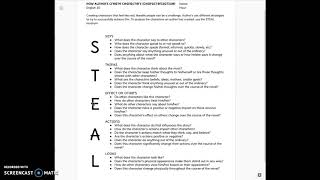
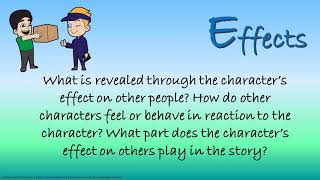
The STEAL chart is a visual organizer that helps students break down a character’s development in a story. The acronym STEAL stands for Speech, Thoughts, Effects (on others), Actions, and Looks. By recording evidence under each heading, readers can see how an author builds a memorable character through distinct literary choices.
Why Use a STEAL Chart in the Classroom?
Character analysis is a core component of middle‑school ELA standards. A STEAL chart offers several benefits:
- Focused observation: Students concentrate on specific textual evidence instead of vague impressions.
- Organized thinking: The chart’s columns create a clear structure for notes and discussion.
- Enhanced writing: When students cite STEAL elements, their essays become more persuasive and text‑based.
- Cross‑curricular links: The chart can be adapted for social‑studies biographies or scientific case studies.
How to Create a STEAL Chart
Follow these steps to build an effective STEAL chart for any literary work:
- Draw a table with five columns labeled Speech, Thoughts, Effects, Actions, and Looks.
- Write the character’s name at the top of the chart.
- As you read, pause to record direct quotes, paraphrases, or observations in the appropriate column.
- After reading, review each column and look for patterns that reveal the character’s motivations and growth.
- Use the completed chart as a reference for class discussions, group projects, or written assignments.
Using the STEAL Chart for Character Analysis
Here is an example of how a STEAL chart might look for a protagonist in a novel