When Is an Extreme Heat Warning Issued?
Extreme heat warnings are issued by the National Weather Service when dangerous temperature conditions pose a serious health risk to the public. These alerts are not triggered by a single hot day but by a combination of factors that indicate prolonged exposure to excessive heat. Understanding the criteria helps residents of Southern California, where scorching temperatures can quickly become a daily threat, take timely action.
Key Temperature Thresholds
The National Weather Service typically issues an extreme heat warning when the following conditions are met:
- High temperatures are expected to reach 105°F (40.6°C) or higher for at least three consecutive days.
- Heat index values may also factor in, especially when humidity amplifies the perceived temperature.
- Duration of the event matters; warnings often cover a multi‑day period, such as Thursday, Friday, and Saturday, to give communities enough time to prepare.
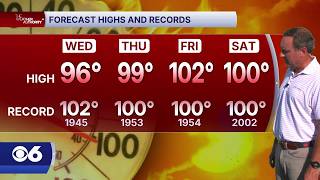
In Southern California, the recent forecast shows highs near or above 100°F for at least three days. While 100°F meets the lower end of many warning criteria, local authorities may issue a warning when additional factors—like low overnight cooling and high humidity—raise the risk level.
Additional Triggers for Warnings
Beyond raw temperature, several meteorological and health‑related conditions can prompt an extreme heat warning:
- Overnight low temperatures staying above 80°F, preventing the body from recovering from daytime heat.
- Elevated humidity that reduces the effectiveness of sweating, a primary cooling mechanism.
- Air quality concerns that worsen with high heat, increasing respiratory stress.
- Population vulnerability—areas with large numbers of elderly, children, or outdoor