Worksheet On Cellular Respiration: A Comprehensive Guide
Cellular respiration is a cornerstone of biology, powering the growth and movement of every living organism. Whether you’re a high‑school teacher, a college instructor, or a student preparing for an exam, a well‑structured worksheet can help reinforce this complex process. This article explores how to design and use a worksheet on cellular respiration, with a focus on aerobic pathways, practical tips for answering questions, and sample problems that align with common curriculum standards.
Understanding the Basics of Cellular Respiration
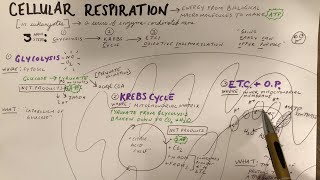
Cellular respiration is the series of metabolic reactions that convert glucose and oxygen into adenosine triphosphate (ATP), carbon dioxide, and water. The process is divided into three main stages:
- Glycolysis – Occurs in the cytoplasm, breaking one glucose molecule into two pyruvate molecules.
- Citric Acid Cycle (Krebs Cycle) – Takes place in the mitochondria, oxidizing acetyl‑CoA to produce NADH, FADH₂, and a small amount of ATP.
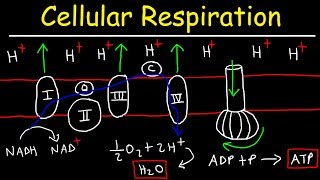
- Oxidative Phosphorylation – Includes the electron transport chain and chemiosmosis, generating the majority of ATP.
In aerobic respiration, oxygen serves as the final electron acceptor, allowing the complete oxidation of glucose to CO₂ and H₂O. This is contrasted with anaerobic respiration, where other molecules such as nitrate or sulfate take that role.
Key Steps to Highlight in a Worksheet
- Identify the Substrates and Products – Ask students to list inputs and outputs for each stage.
- Trace Energy Flow – Use diagrams or flowcharts to show how electrons move from NADH and FADH₂ to oxygen.
- Calculate ATP Yield – Provide problems that require calculating theoretical ATP production from one glucose molecule.
- Compare Aerobic vs. Anaerobic – Include comparison tables or short answer questions.
- Relate to Real‑World Examples – Ask students to explain how respiration supports muscle activity or plant metabolism.
Designing Questions That Promote Deep Understanding
When creating a worksheet, consider a mix of question types to address different cognitive levels:
- Multiple‑choice – Test recall of facts such as “Which molecule donates electrons to the electron transport chain?”
- Short answer – Prompt explanations like “Why is oxygen essential for ATP production?”
- Diagram labeling – Provide blank pictures of mitochondria and ask students to