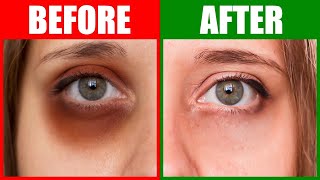
Understanding the Causes of Dark Circles
Before you can effectively diminish black eye bags, it helps to know why they appear. The skin under the eyes is among the thinnest on the body, making blood vessels more visible. Common contributors include genetics, aging, lack of sleep, dehydration, and chronic allergies. When blood pools in the tiny vessels, the area can take on a bluish‑purple hue that looks like a dark circle. Recognizing the underlying factor—whether it’s a lifestyle habit or a hereditary trait—guides the most appropriate treatment plan.
Adopt Sleep‑Friendly Habits
Insufficient rest is one of the quickest ways to develop pronounced eye bags. Aim for seven to nine hours of uninterrupted sleep each night. Keep the bedroom cool, dark, and quiet, and avoid screens at least an hour before bedtime. Elevating your head with an extra pillow can reduce fluid accumulation that drips into the under‑eye area while you lie flat. Consistent, quality sleep not only lightens dark circles but also supports overall skin health.
Hydration and Nutrition Strategies
Dehydration can make the skin look dull and accentuate shadows under the eyes. Drinking at least eight glasses of water daily helps maintain skin elasticity and flushes excess sodium that contributes to puffiness. Incorporate foods rich in vitamin C, vitamin K, and antioxidants—such as citrus fruits, leafy greens, and berries—to strengthen capillaries and promote collagen production. Reducing salty snacks and alcohol intake further prevents fluid retention that often worsens eye bags.
Targeted Home Remedies
Several simple, low‑cost remedies can be incorporated into a daily routine. Choose one or two that suit your preferences and use them consistently for best results.
- Cold compresses: Apply chilled cucumber slices, tea bags, or a soft cloth soaked in cold water for 10–15 minutes. The cooling effect constricts blood vessels, temporarily reducing darkness.
- Gentle massage: Using the ring finger, tap lightly from the inner corner toward the temple. This encourages lymphatic drainage and can lessen puffiness.
- Natural oils: A few drops of almond or rosehip oil massaged into the skin before bedtime provide essential fatty acids that support skin repair.
Eye‑Care Products Worth Considering
When selecting creams or serums, look for ingredients that have documented benefits for under‑eye skin. Hyaluronic acid offers hydration, while peptides can stimulate collagen. Caffeine is known to temporarily tighten skin and reduce fluid buildup. Apply any product with a gentle tapping motion, avoiding harsh rubbing that can irritate the delicate area.
When to Seek Professional Advice
If home measures provide only modest improvement after several weeks, a dermatologist or aesthetic specialist may recommend more targeted treatments. Options include laser therapy, chemical peels, or injectable fillers that address deeper structural issues. These procedures should be performed by qualified professionals, and a thorough consultation will clarify potential risks and realistic outcomes.
Lifestyle Adjustments for Long‑Term Results
Beyond immediate remedies, sustained lifestyle changes reinforce the reduction of black eye bags. Manage stress through mindfulness, yoga, or regular exercise, as chronic stress can exacerbate inflammation and vascular congestion. Protect the skin from UV damage by wearing sunglasses and applying a broad‑spectrum sunscreen daily; sun exposure can thicken the skin and deepen pigmentation. Finally, maintain a consistent skincare routine that respects the sensitivity of the under‑eye area.
Putting It All Together
Eliminating black eye bags is rarely achieved with a single quick fix. A comprehensive approach—combining adequate sleep, proper hydration, balanced nutrition, gentle home treatments, and, when needed, professional care—offers the most reliable path to brighter, smoother under‑eye skin. By identifying personal triggers and applying the strategies outlined above, you can gradually diminish the appearance of dark circles and enjoy a more refreshed look.