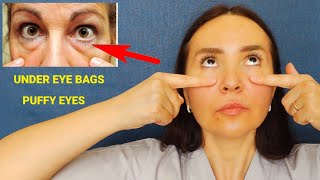
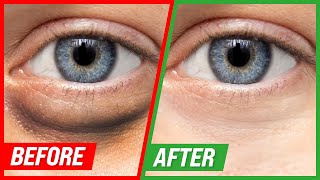
Understanding Why Eye Bags Appear
Eye bags and puffiness are often the result of a combination of factors rather than a single cause. Thin skin around the eyes, natural aging, and the loss of supportive collagen can make blood vessels more visible, creating a shadowed appearance. Fluid retention, especially after a salty meal or a night of poor sleep, pushes fluid into the delicate tissue under the eyes, leading to swelling. Allergies, hormonal fluctuations, and even genetics can exacerbate the condition, making some people more prone to puffiness than others. Recognizing the underlying contributors helps you choose the most effective strategies for a clearer, fresher look.
Optimizing Sleep and Head Position
Sleep quality plays a pivotal role in the appearance of the under‑eye area. Aim for seven to nine hours of uninterrupted rest each night, and consider the following adjustments to reduce fluid buildup:
- Elevate your head with an extra pillow or a wedge to encourage drainage while you sleep.
- Maintain a consistent bedtime routine to stabilize your body’s circadian rhythm.
- Avoid alcohol and caffeine close to bedtime, as they can disrupt sleep and increase dehydration.
Even short naps can be beneficial, but keep them under thirty minutes and elevate your head slightly to prevent the eyes from swelling.
Hydration and Nutrition for Brighter Eyes
What you eat and drink directly influences the skin’s elasticity and the amount of fluid retained around the eyes. Incorporate these habits into your daily routine:
- Drink plenty of water—aim for at least eight glasses a day to keep tissues hydrated and promote efficient fluid circulation.
- Limit sodium in processed foods, as excess salt draws water into the tissues, intensifying puffiness.
- Eat antioxidant‑rich foods such as berries, leafy greens, and nuts to protect skin cells from oxidative stress.
- Include potassium‑rich options like bananas and avocados, which help balance fluid levels.
These simple dietary tweaks can reduce swelling and support the skin’s natural repair processes.
Effective Home Remedies and Topical Treatments
Several inexpensive, at‑home solutions can soothe puffiness and improve the appearance of eye bags. Consistency is key—apply these methods daily for the best results.
- Cold compress: Wrap a few ice cubes in a soft cloth or chill a metal spoon in the refrigerator. Apply gently for 10‑15 minutes to constrict blood vessels and lessen swelling.
- Cucumber slices: The high water content and cooling effect of cucumber help hydrate the skin while reducing inflammation. Place slices over closed eyes for 10 minutes.
- Chilled tea bags: Green or black tea bags contain tannic acid and caffeine, both of which tighten skin and shrink blood vessels. Soak the bags in cold water, chill, then rest them on the eyes for 10 minutes.
- Gentle eye creams: Look for products that contain caffeine, hyaluronic acid, or peptides. These ingredients promote fluid drainage, add moisture, and support collagen production.
- Vitamin‑rich serums: Formulas with vitamin C or niacinamide can brighten the under‑eye area and protect against environmental damage.
Massage Techniques to Encourage Lymphatic Drainage
Light, targeted massage can move excess fluid away from the eyes and improve circulation. Follow these steps each morning:
- Using your ring finger, tap lightly along the orbital bone from the inner corner to the outer edge.
- Apply a gentle upward motion, moving from the tear duct toward the temples.
- Finish with a soft circular motion around the brow bone, taking care not to pull or stretch the skin.
Performing this routine for one to two minutes can make a noticeable difference in puffiness over time.
When Lifestyle Changes Aren’t Enough
If eye bags persist despite proper sleep, hydration, and topical care, it may be time to explore professional options. Dermatologists can assess whether deeper structural changes, such as fat redistribution or skin laxity, are contributing to the problem. Common medical interventions include:
- Dermal fillers to restore volume and smooth the transition between the lower eyelid and cheek.
- Laser resurfacing or radiofrequency treatments that stimulate collagen remodeling.
- Blepharoplasty,