What Are Tonsil Stones and Why Do They Occur?
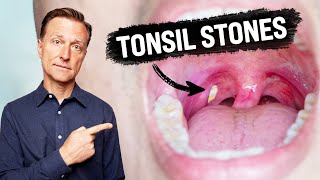
Tonsil stones, also called tonsilloliths, are small, hard deposits that form in the crevices of the tonsils. They are made up of dead cells, mucus, food particles, and bacteria that become trapped and calcify over time. Although they are usually harmless, they can cause bad breath, sore throat, and a feeling of something stuck in the back of the mouth.
Identifying the Signs of Tonsil Stones
Before you try to remove a tonsil stone, it helps to recognize the common symptoms:
- Foul‑smelling breath that does not improve with brushing.
- A persistent metallic or bitter taste.
- Visible white or yellowish spots on the tonsils.
- Occasional pain when swallowing or a sensation of irritation.
- Ear pain on the same side as the affected tonsil.
Prevention: Reducing the Risk of New Stones
Most strategies focus on keeping the throat clean and limiting the buildup of debris that can calcify.
- Maintain good oral hygiene. Brush teeth at least twice a day, floss daily, and use an alcohol‑free mouthwash to reduce bacterial load.
- Stay hydrated. Drinking plenty of water helps wash away food particles and keeps mucus thin.
- Gargle regularly. A warm salt‑water rinse (½ teaspoon of salt in 8 ounces of water) after meals can dislodge trapped material.
- Address allergies. Controlling allergic rhinitis reduces post‑nasal drip, which can contribute to stone formation.
- Avoid smoking. Tobacco irritates the throat and promotes bacterial growth.
Home Remedies for Removing Existing Tonsil Stones
If you already have a visible stone, gentle methods can often break it free without causing injury.
1. Manual Extraction with a Cotton Swab
Wet a clean cotton swab, then gently press against the stone’s surface. Apply light pressure until the stone dislodges. Do not dig deep into the tonsil tissue, as this can cause bleeding or infection.
2. Using a Water Flosser
Set the device to a low pressure setting and aim the stream toward the tonsil crevice. The water can loosen the stone and flush it out. Keep the mouth open and tilt the head back slightly to allow the water to flow out safely.
3. The “Cough‑It‑Out” Technique
Take a deep breath, then cough forcefully while keeping the mouth closed. The sudden pressure change can sometimes expel small stones that are near the surface.
4. Gargling with Baking Soda Solution
Mix ½ teaspoon of baking soda in a cup of warm water and gargle for 30 seconds. The mild alkalinity helps break down the mineral matrix of the stone, making it easier to remove.
When to Seek Professional Help
While many stones can be managed at home, certain situations warrant a visit to a healthcare provider:
- The stone is large, deeply embedded, or causes persistent pain.
- Repeated infections or frequent sore throats develop.
- Bleeding continues after attempts at removal.
- You experience difficulty swallowing, breathing, or speaking.
An ENT specialist can evaluate the tonsils with a lighted instrument and recommend safe removal techniques.
Professional Treatments and Their Benefits
Medical options range from simple extraction to surgical procedures, depending on severity.
- Laser or Coblation Removal. A focused laser or radiofrequency device vaporizes the stone and smooths the tonsil surface, reducing the chance of recurrence.
- Cryotherapy. Freezing the stone causes it to fracture, allowing easy removal without cutting the tissue.
- Tonsillectomy. For chronic sufferers with frequent infections, complete removal of the tonsils eliminates the environment where stones form.
These procedures are performed under local or general anesthesia and typically involve a short recovery period.
Aftercare and Long‑Term Maintenance
Regardless of how the stone is removed, ongoing care helps prevent future buildup.
- Continue daily brushing, flossing, and mouthwash use.
- Schedule regular dental cleanings to keep oral bacteria in check.
- Monitor your diet; limit sticky or sugary foods that can linger in the throat.
- Keep a water bottle handy to stay hydrated throughout the day.
- If you have a history of frequent stones, discuss routine tonsil checks with your doctor.
Quick Summary of How To Get Rid Of Tonsil Stones
Removing tonsil stones involves a combination of gentle home techniques, preventive habits, and professional care when needed. Start with good oral hygiene, stay hydrated, and use safe extraction methods such as cotton sw